Understanding the Lifespan of Different Roofing Materials Jan 31, 2026
Asphalt shingles are among the most popular roofing materials due to their affordability and versatility. Typically, these shingles last between 15 to 30 years. The exact lifespan can be influenced by the quality of the shingles and the climate in which they are installed. Regular maintenance, such as cleaning and timely repairs, can extend their life significantly.
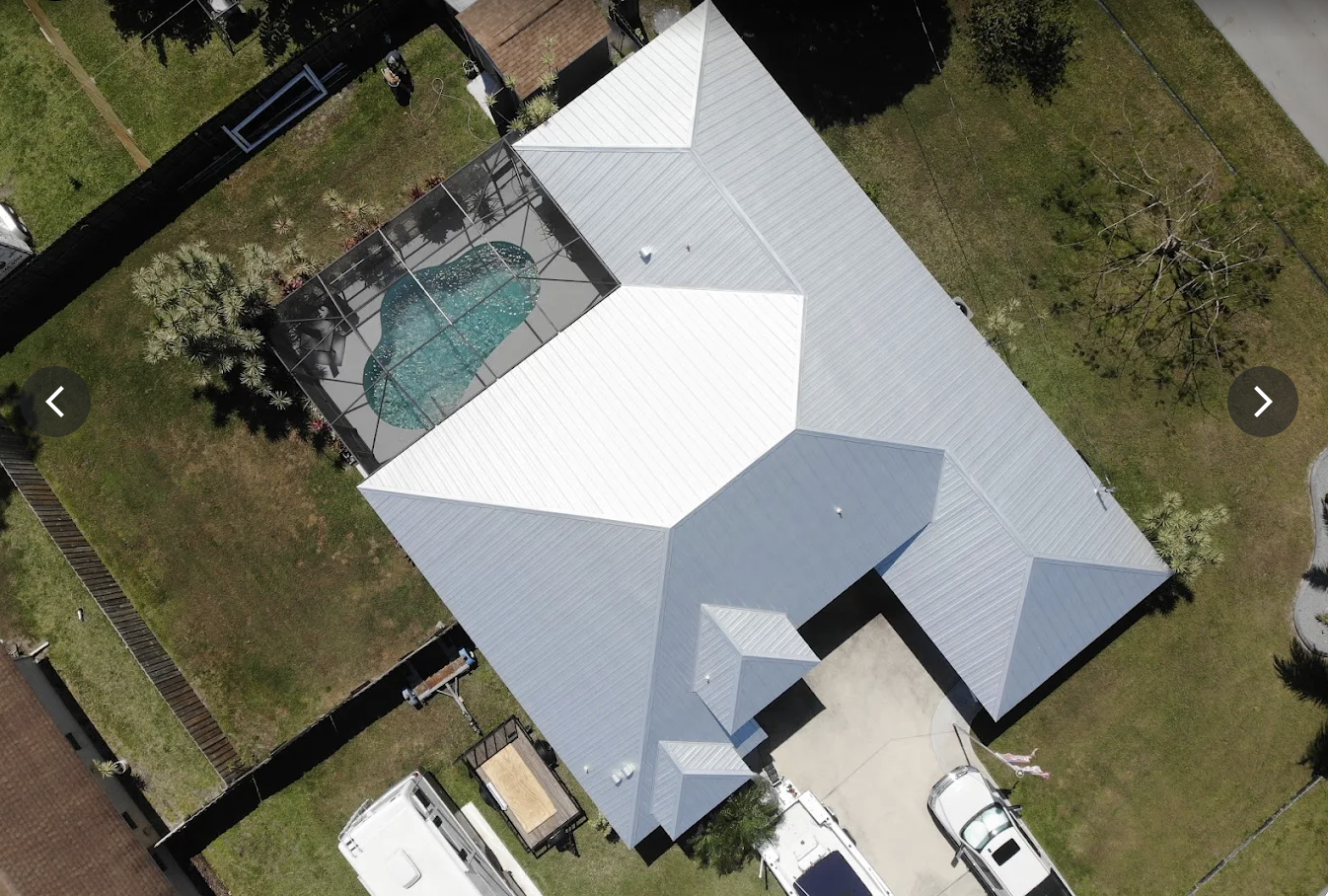
Metal roofing is another durable option. Known for its resistance to harsh weather conditions, metal roofs can last between 40 to 70 years. Options such as steel, aluminum, and copper provide different aesthetic and durability benefits. Metal roofs are also environmentally friendly, as they can be recycled at the end of their lifespan. Choosing a metal roof might come with a higher upfront cost, but the extended longevity and minimal maintenance often make it a wise investment.
Clay and concrete tiles are renowned for their durability and distinctive appearance. These tiles can last anywhere from 50 to 100 years, making them a favorite for homeowners seeking long-term solutions. They are highly resistant to weather, rot, and insect damage. However, their weight necessitates a strong roof structure for support, and installation requires skilled professionals, such as those at Ridgecap Roofing, to ensure longevity.
Slate roofing offers an elegant and traditional look. Known for its natural appearance and impressive durability, a well-maintained slate roof can last over 100 years. Like clay and concrete, slate is heavy, requiring solid structural support and expertise during installation. Its fire resistance, longevity, and ability to withstand severe weather make it an ideal choice for those living in areas prone to extreme conditions.
Wood shingles and shakes offer a rustic charm and natural insulation properties. Generally, they last between 25 and 40 years, depending on the quality of the wood and the local climate. Cedar is a popular choice due to its natural resistance to rot and insects. Proper maintenance, including regular cleaning and sealing, is vital to maximize their lifespan.
Lastly, synthetic roofing materials are becoming increasingly popular for their affordability and versatility. These materials mimic the appearance of natural products like slate or wood but generally have a shorter lifespan, ranging between 20 to 50 years. The benefit of synthetic options lies in their lower cost and lighter weight, making them suitable for a variety of home designs.
In conclusion, the longevity of a roofing material hinges on several factors, including quality, installation, climate, and maintenance. At Ridgecap Roofing, we are committed to providing expert advice and professional installation services to ensure the longevity of your roof, whatever material you choose. By understanding the expected lifespan and maintenance requirements of different roofing materials, you can make an informed decision that meets your needs and protects your home for the years to come.
/filters:no_upscale()/filters:format(webp)/media/42b1bfb3-1d0e-4677-9da1-a03dc552c613.png)