The Evolution of Roofing: A Historical Perspective on Modern Techniques Apr 19, 2026
Throughout history, roofs have primarily served the practical purpose of providing shelter from environmental elements. Yet, they have also expressed cultural identity and technological advancement. From the thatched roofs of early societies to the intricate tile and slate roofs of the 19th century, each change in roofing technology marked an evolution not just in materials but in the very lifestyles of the people beneath them.
In the ancient world, roofing materials were limited to what was locally available. Thatch, consisting of straw or reeds, was commonly used due to its insulation properties and ease of sourcing. However, it required frequent maintenance. This trend of using locally sourced materials persisted for centuries.
With the advancement of engineering techniques during the Romans' era, more durable options like clay tiles began to emerge. These tiles provided increased fire resistance and longevity compared to organic materials. Roman roofing innovations were significant, laying the groundwork for contemporary roofing strategies by emphasizing durability and weather resistance.
The Industrial Revolution brought an era of mass production and new materials, significantly shifting roofing technologies. Slate roofs became popular in the 19th century due to their fire resistance and aesthetic appeal, particularly in urban settings. Sheets of metal, such as lead and copper, also began to be utilized, giving rise to the durable metal roofing systems we see today.
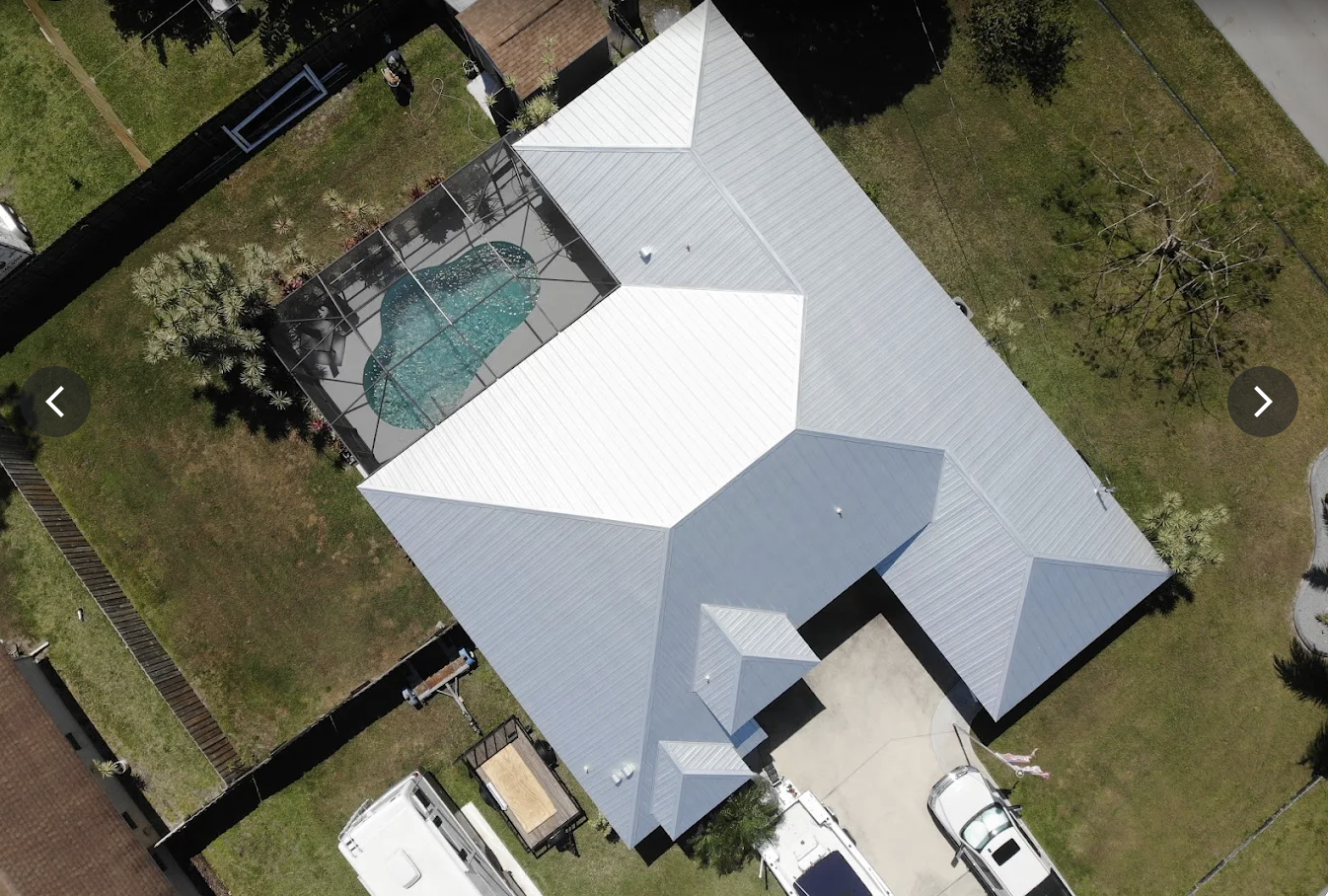
Metal roofing has since evolved significantly, now including materials like aluminum and zinc, which offer superb durability and energy efficiency. It's interesting to note that these materials are gaining renewed popularity due to their sustainability and recyclability, resonant with modern eco-conscious values.
In recent decades, technological advances have introduced composite materials and synthetic roofing systems that mimic traditional aesthetics, such as wood shakes, but offer superior performance in terms of weather resistance and lifespan. These advancements reflect a significant shift toward longevity and reduced environmental impact.
Moreover, the rise of green roofing systems illustrates a modern trend where roofs not only shield us from weather but also contribute actively to environmental sustainability. Green roofs help manage rainwater, improve insulation, and reduce energy costs. The roofing industry has also embraced technological advances with the integration of solar panels, combining sustainability with eco-friendly energy production.
As customers of Ridgecap Roofing consider their roofing options today, these historical influences guide the diverse selections available. From traditional shingles and tiles to cutting-edge solar panels and green roofs, the choices reflect centuries of innovation and adaptation. When choosing a roof for your home, consider both historical reliability and modern advancements to find a solution that fits your house's aesthetic and functional needs.
In conclusion, the evolution of roofing is a testament to human ingenuity in the pursuit of safety, sustainability, and beauty. Ridgecap Roofing stands ready to assist you by offering modern roofing solutions deeply rooted in this rich historical context, ensuring that your roof is both a shield and a testament to progress.
/filters:no_upscale()/filters:format(webp)/media/42b1bfb3-1d0e-4677-9da1-a03dc552c613.png)