When homeowners think about a new roof, they usually focus on shingles, metal panels, colors, and warranties. But one of the most important components of a roofing system is something you'll never see once the job is finished: roof underlayment. The underlayment acts as a critical secondary water barrier between your roofing material and the roof deck. In Florida, where hurricanes, tropical storms, heavy rainfall, and intense UV exposure are part of everyday life, the type of underlayment beneath your roof can make a major difference in long-term performance. Today, more homeowners are choosing synthetic roof underlayment over traditional felt because it offers superior durability, water resistance, UV protection, and storm performance.
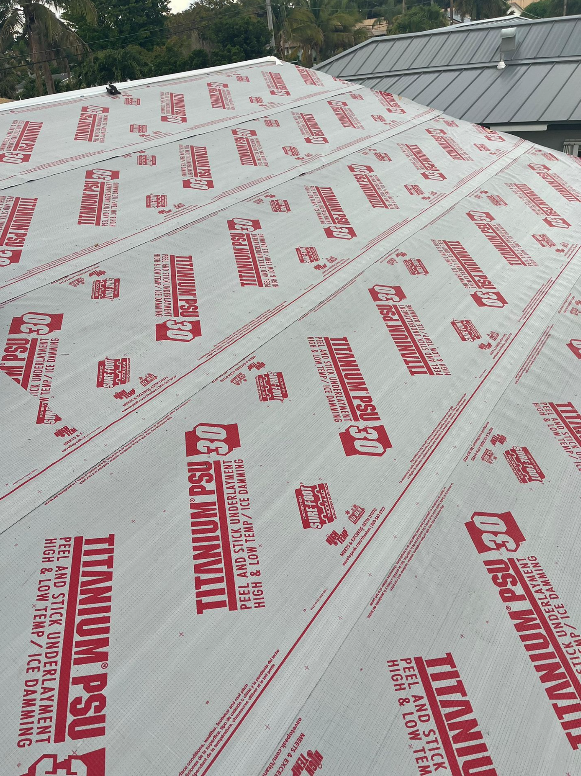
What Is Synthetic Roof Underlayment? Synthetic underlayment is a high-performance roofing material manufactured from woven or spun polypropylene or polyethylene. Unlike traditional felt paper, which is made from asphalt-saturated organic materials, synthetic underlayment is engineered specifically to provide enhanced moisture protection, tear resistance, and long-term durability. Its primary purpose is to create a secondary protective layer beneath shingles, metal roofing, or tile roofing systems, helping protect the roof deck from water intrusion if the primary roofing material becomes damaged.
Synthetic Underlayment vs. Felt Underlayment. Traditional felt underlayment is made from asphalt-saturated paper, absorbs moisture over time, can wrinkle, buckle, and deteriorate, has limited UV exposure tolerance, and is more susceptible to tearing during installation. Synthetic underlayment is manufactured from advanced polymers, repels water instead of absorbing it, is highly tear-resistant, carries longer UV exposure ratings, is lightweight and easier to install, and is built for long-term performance. For Florida homeowners, these differences become especially important during storm season and prolonged exposure to heat and humidity.
Why Synthetic Underlayment Performs Better in Florida. Florida creates some of the toughest roofing conditions in the country. Your roof faces hurricane-force winds, torrential rainfall, intense UV radiation, extreme heat, high humidity, and salt-air exposure in coastal areas. Traditional felt underlayment struggles under these conditions because it absorbs moisture. Once wet, it can wrinkle, distort, and weaken. Synthetic underlayment sheds water instead of absorbing it, helping maintain a continuous protective barrier even during extended periods of rain. This added protection becomes especially valuable during storm recovery situations when roofing projects may experience weather-related delays.
Superior Water Resistance. One of the biggest advantages of synthetic underlayment is its ability to resist moisture. When traditional felt becomes saturated, it swells, wrinkles, weakens around fasteners, and becomes more vulnerable to tearing. Synthetic underlayment remains stable even when exposed to heavy rainfall. This helps protect roof decking, attic insulation, interior ceilings, and structural framing. For Florida homes, where water intrusion can quickly lead to mold growth and wood rot, this additional protection is invaluable.
Increased Tear Strength and Wind Resistance. Roof installation is demanding. Workers walk across the surface, materials are moved around, and high winds can create stress during construction. Synthetic underlayment offers significantly greater tear resistance than felt. Benefits include better protection around fasteners, reduced job-site damage, improved storm resistance, and a stronger secondary water barrier. Even after installation, this added durability continues protecting your home if shingles or metal panels become damaged during severe weather.
Longer UV Exposure Protection. One often-overlooked advantage of synthetic underlayment is UV resistance. In Florida, roofing projects can occasionally face delays due to rain, hurricanes, tropical storms, or material delivery issues. Many synthetic underlayments can remain exposed for several months while maintaining their integrity. Traditional felt often begins deteriorating after only a short exposure period. This additional UV protection provides greater flexibility during installation and reduces the risk of premature material failure.
Built for Long-Term Roof Performance. A quality roofing system is designed to last decades. Your underlayment should too. Most premium synthetic underlayments are engineered to last as long as the roofing system above them — often 20 to 30 years or more. Traditional felt typically begins deteriorating much sooner. Because underlayment is hidden beneath your roof, homeowners rarely notice deterioration until leaks develop. Choosing a durable synthetic product from the beginning helps reduce the risk of expensive repairs later.
Better Compatibility with Modern Roofing Systems. Synthetic underlayment works exceptionally well beneath asphalt shingles, standing seam metal roofs, stone-coated steel roofing, concrete tile roofing, and clay tile roofing. As more Florida homeowners invest in premium roofing systems, synthetic underlayment has become the standard recommendation for maximizing performance and longevity. Many roofing manufacturers also recommend synthetic underlayment to achieve enhanced warranty protection.
Is Synthetic Underlayment Worth the Extra Cost? The upfront cost is typically higher than traditional felt. However, when you consider the longer lifespan, better storm protection, superior moisture resistance, reduced risk of deck damage, improved warranty compatibility, and lower likelihood of future repairs — the value becomes clear. On a complete roof replacement, the additional investment is relatively small compared to the protection it provides over the life of the roof. For most Florida homeowners, synthetic underlayment is one of the smartest upgrades available.
Why Ridgecap Roofing Recommends Synthetic Underlayment. At Ridgecap Roofing, we build roofing systems designed for Florida's challenging climate. That means using products that provide superior weather protection, enhanced hurricane resistance, long-term durability, better moisture management, and improved roofing system performance. Synthetic roof underlayment helps us deliver stronger, longer-lasting roofs for homeowners throughout the Treasure Coast and Palm Beach County. We proudly serve homeowners in Port St. Lucie, Fort Pierce, Stuart, Jupiter, and Vero Beach. Our team helps homeowners choose the right roofing system, underlayment, ventilation, and materials to maximize protection and long-term value.
The Bottom Line. While shingles, tile, and metal roofing often get the spotlight, the underlayment beneath them plays a critical role in protecting your home. Synthetic roof underlayment offers superior water resistance, greater tear strength, longer UV protection, better hurricane and storm performance, improved longevity, and enhanced roofing system protection. When it comes to protecting your home from Florida's harsh weather conditions, synthetic underlayment isn't just an upgrade — it's an investment in the long-term performance of your roof.
Schedule a Free Roof Inspection Today. If you're planning a roof replacement or want to learn more about the roofing materials protecting your home, contact Ridgecap Roofing today. Our experts can evaluate your current roofing system, explain your options, and help you choose a solution built for Florida weather and long-term peace of mind.