Why Understanding Roofing Costs Matters. One of the first questions homeowners ask when planning a roof replacement is: "Why does a new roof cost so much?" The answer is simpler than most people think. Every roofing project comes down to two major categories — roofing materials and roofing labor. Understanding how these costs break down can help you compare estimates, avoid surprises, and make smarter decisions when investing in a new roof. For Florida homeowners, this is especially important because roofs must be built to withstand hurricanes, heavy rain, extreme heat, and high winds. Choosing the right materials matters — but so does choosing the right installation team. At Ridgecap Roofing, we believe homeowners should understand exactly where their money is going before signing a contract.
What Percentage of a Roof Replacement Is Labor vs. Materials? Most homeowners assume the roofing materials make up the majority of the cost. In reality, labor is often the larger expense. On a typical Florida roof replacement, materials account for approximately 40%–50% of the total project cost, while labor accounts for approximately 50%–60%. The exact breakdown depends on factors like roof size, complexity, material selection, and local labor rates. For hurricane-prone regions like Florida, labor costs are often higher because proper installation requires additional steps, specialized training, and stricter building code compliance.
What Impacts Roofing Material Costs? The roofing material you choose plays a major role in determining the overall project cost. Asphalt shingles remain the most popular roofing material due to their affordability and performance — lower upfront investment, a wide range of styles and colors, strong manufacturer warranties, and excellent value for most homeowners. Premium impact-resistant shingles can provide additional storm protection and may qualify for insurance discounts. Metal roofing continues to grow in popularity throughout Florida for its superior hurricane resistance, exceptional longevity, energy efficiency, low maintenance, and modern curb appeal. While metal generally costs more upfront, many homeowners view it as a long-term investment. Tile roofing offers timeless beauty, outstanding curb appeal, a long lifespan, strong weather resistance, and energy-efficient performance — but because tile is heavier and more labor-intensive to install, it often represents one of the larger roofing investments available.
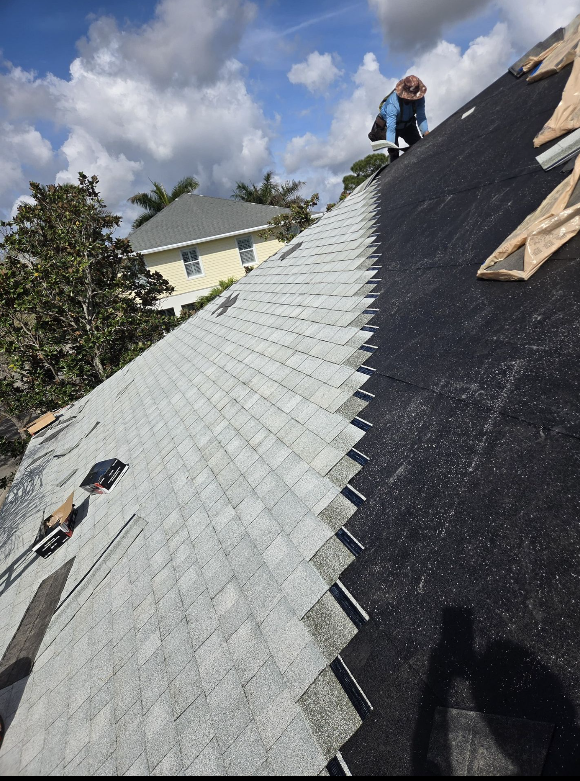
The Hidden Material Most Homeowners Never Ask About. When comparing roof estimates, most homeowners focus on shingles, tile, or metal. Few ask about the underlayment. That can be a costly mistake. Roof underlayment serves as a secondary water barrier beneath your roofing system and plays a critical role in protecting your home during storms. Higher-quality synthetic underlayments provide better moisture resistance, improved tear strength, longer service life, and enhanced storm protection. Always ask your contractor to specify the underlayment brand and type in writing. If it's not listed, ask why.
What Drives Roofing Labor Costs? Labor is more than simply installing materials. Professional roofing labor includes roof removal and disposal, deck inspections, roof preparation, underlayment installation, flashing installation, ventilation improvements, material installation, final cleanup, permit compliance, and quality inspections. Several factors can increase labor costs.
Roof Complexity. Simple roof designs cost less to install. Complex roofs with multiple valleys, dormers, steep slopes, skylights, and penetrations require significantly more labor.
Building Code Requirements. Florida has some of the strictest roofing codes in the country. Proper installation often requires hurricane-rated fastening patterns, enhanced flashing systems, wind mitigation standards, and code-compliant ventilation. These requirements increase installation time but dramatically improve storm performance.
Hidden Damage During Tear-Off. One of the most common causes of budget adjustments occurs when hidden damage is discovered after the old roof is removed. Common issues include rotted roof decking, water damage, structural deterioration, and mold-related repairs. Unfortunately, these issues are impossible to fully identify until the roof is opened.
Where Should Homeowners Focus Their Budget? If you're looking for the best long-term value, focus on installation quality first. A premium roofing material installed incorrectly will fail. A quality roofing system installed correctly will perform for decades. For Florida homeowners, the ideal balance often includes high-quality synthetic underlayment, impact-resistant roofing materials, experienced installation crews, and proper flashing and ventilation systems. The goal is not necessarily buying the most expensive roof — it's buying the best roofing system for your home and budget.
How to Compare Roofing Estimates. When reviewing proposals, don't focus only on the final price. Look for detailed information including materials (roofing material brand, product line, color, warranty details), underlayment (type, brand name, water barrier specifications), labor (installation procedures, wind mitigation standards, cleanup and disposal), and additional costs (permit fees, decking replacement policies, warranty coverage, financing options). A professional roofing company should be willing to explain every line item in your estimate. Transparency builds trust.
Why Cheap Roofing Quotes Can Cost More Later. Every homeowner wants a fair price. However, extremely low roofing bids often cut corners somewhere — lower-quality materials, reduced underlayment protection, inexperienced labor, inadequate flashing, or limited warranties. A roof is one of the largest investments you'll make in your home. Choosing solely based on price can lead to costly repairs and premature replacement.
Why Ridgecap Roofing Focuses on Long-Term Value. At Ridgecap Roofing, we believe homeowners deserve clear, honest pricing and quality workmanship. That's why we provide detailed roof estimates, transparent material specifications, premium roofing systems, hurricane-resistant installation practices, flexible financing options, and industry-leading warranties. We proudly serve homeowners throughout Port St. Lucie, Fort Pierce, Stuart, Jupiter, and Vero Beach. Our goal is simple: deliver roofing systems built for Florida weather and designed to protect your home for decades.
The Bottom Line. When evaluating a roof replacement, remember: labor often represents the largest portion of the investment; material quality matters, especially underlayment; proper installation is critical for storm protection; the cheapest estimate is rarely the best value; and experienced roofing contractors help maximize long-term performance. Understanding where your roofing dollars go helps you make informed decisions and invest confidently in your home's future.
Schedule Your Free Roof Inspection Today. If you're considering a roof replacement, Ridgecap Roofing can help. Our team provides free inspections, detailed estimates, financing options, and roofing systems built to withstand Florida's toughest weather conditions. Contact us today to learn more about your roofing options and receive a free, no-obligation estimate.