When a Roof Replacement Goes Wrong. Few things are more frustrating for a homeowner than paying for a new roof only to discover leaks, lifted shingles, poor workmanship, or unfinished details months later. Unfortunately, this happens more often than most people realize across Florida — especially after major storms when out-of-town contractors flood local neighborhoods offering quick, low-cost roofing work.
At Ridgecap Roofing, we regularly help homeowners throughout Port St. Lucie, Stuart, Jupiter, Fort Pierce, Vero Beach, and Palm Beach County fix roofing problems caused by poor installation, rushed labor, cheap materials, or contractors cutting corners. The difficult part is that many roofing issues are hidden beneath the surface. A roof may look fine from the ground while moisture slowly damages decking, insulation, underlayment, or structural components underneath. The good news? Catching these issues early and working with the right roofing contractor can prevent much larger and more expensive repairs later on.
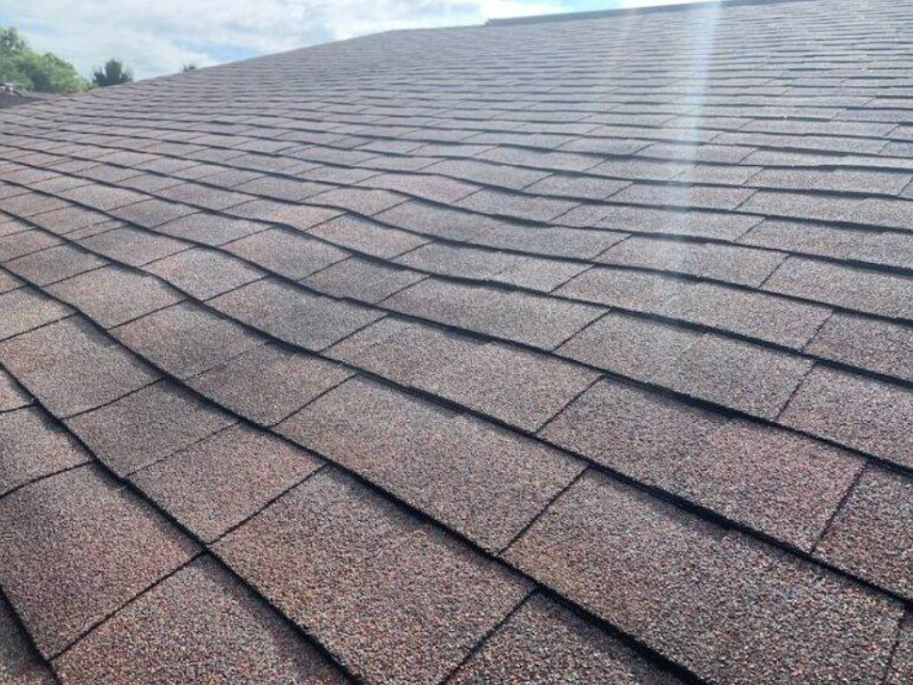
Common Signs of Poor Roofing Work. Bad roofing workmanship usually leaves warning signs if you know what to look for. Interior water stains or active leaks — brown ceiling stains, peeling paint, bubbling drywall, or water spots near vents and bathrooms often indicate roof leaks that were not properly sealed during installation. Missing, lifted, or uneven shingles — if shingles appear crooked, lifted, curling, or uneven, this may point to incorrect nailing patterns, improper installation methods, or low-quality materials. Flashing problems — flashing around chimneys, valleys, skylights, vents, and walls is one of the most common failure points we see; improper flashing installation allows water to work underneath the roofing system over time.
Poor roof ventilation — without proper attic ventilation, Florida heat becomes trapped inside the attic space, accelerating shingle deterioration and increasing moisture buildup beneath the roof system. Sagging or soft roof areas — soft spots or visible sagging may indicate damaged decking or long-term moisture intrusion beneath the surface. Missing documentation or warranty information — a professional roofing contractor should always provide clear documentation, manufacturer details, warranty information, and proof of licensing and insurance.
Why Choosing the Right Roofing Contractor Matters. Repairing poor roofing work requires more than a quick patch. An experienced roofing contractor understands how roofing systems work together — from underlayment and ventilation to flashing, drainage, and fastening systems. The goal is not just stopping a leak temporarily, but identifying the root cause and correcting the problem properly. At Ridgecap Roofing, we focus on long-term roofing solutions designed specifically for Florida weather conditions, including heavy rain, hurricane-force winds, extreme heat and UV exposure, salt air and coastal moisture, and storm-driven water intrusion. Our team specializes in metal roofing, shingle roofing, tile roofing, roof replacements, repairs, and system upgrades built to meet Florida code requirements and manufacturer standards.
Step 1: Document the Roofing Issues. Before contacting a contractor, take photos and videos of any visible problems. Helpful things to document include water stains, active leaks during rain, missing shingles or lifted materials, damaged flashing, ceiling or drywall damage, and overflowing gutters. If you have previous roofing contracts, warranties, or insurance paperwork, keep those available as well. This information helps the contractor identify patterns and understand what may have gone wrong during the original installation.
Step 2: Work With a Local Florida Roofing Contractor. One of the biggest mistakes homeowners make is hiring storm-chasing contractors who disappear once the job is complete. A local roofing company understands Florida building codes, hurricane roofing requirements, local permitting processes, common weather-related roofing failures, and material performance in Florida climates. At Ridgecap Roofing, we proudly serve homeowners and commercial property owners throughout the Treasure Coast and Palm Beach County with roofing systems built specifically for Florida homes.
Step 3: Check Reviews, Licensing, and Reputation. Before hiring a roofing contractor, research their reputation carefully. Look for verified Google reviews, BBB ratings, Florida roofing license information, proof of insurance, completed project photos, and local references. A trustworthy roofing company should have a strong local reputation, transparent communication, and a proven history of completed work. Ridgecap Roofing proudly maintains 100+ 5-star reviews and serves homeowners throughout Port St. Lucie, Stuart, Jupiter, Fort Pierce, Vero Beach, and surrounding areas. License #CCC1327200.
Step 4: Ask Questions Before Hiring. A quality roofing contractor should be comfortable answering detailed questions about the repair process. Important questions include: What caused the roofing failure? Will the damaged decking need replacement? What materials will be used? What warranties are included? Is the crew licensed and insured? Will the repairs meet current Florida code? Transparency matters. A contractor who clearly explains the problem and repair process is usually a much safer choice than one who rushes the conversation.
Step 5: Get a Thorough Roof Inspection. A proper roof inspection involves much more than looking at the roof from the driveway. An experienced contractor should walk the roof, inspect flashing and penetrations, check underlayment condition, evaluate attic ventilation, inspect drainage systems, identify hidden moisture damage, and document issues with photos. At Ridgecap Roofing, we provide honest evaluations and detailed recommendations so homeowners fully understand their roofing options.
Don't Choose a Roofing Contractor Based on Price Alone. Cheap roofing work often becomes expensive roofing work later. Low bids may mean inferior materials, unlicensed labor, improper installation methods, missing underlayment, poor ventilation design, and inadequate flashing systems. A properly installed roofing system protects your home for years. Choosing quality workmanship and durable materials is one of the most important investments a homeowner can make.
Why Metal Roofing Is Becoming More Popular in Florida. Many Florida homeowners dealing with repeated roofing problems are upgrading to metal roofing systems for better long-term protection. Metal roofing offers excellent wind resistance, long lifespan, energy efficiency, lower maintenance, modern curb appeal, and better performance during storm season. At Ridgecap Roofing, we specialize in standing seam metal roofing systems built for Florida weather and long-term durability.
Protect Your Home With a Roofing Contractor You Can Trust. If you're dealing with leaks, storm damage, or poor workmanship from a previous roofing contractor, acting early can help prevent larger structural damage and costly repairs later. At Ridgecap Roofing, we proudly help homeowners throughout Port St. Lucie, Stuart, Jupiter, Fort Pierce, Vero Beach, and Palm Beach County protect their homes with honest communication, quality craftsmanship, and roofing systems built for Florida conditions. Whether you need a roof repair, metal roof replacement, shingle roofing, tile roofing, or a second opinion on previous roofing work, our team is here to help.